
Table of Contents
You may need a root canal even when your tooth does not hurt.
Do you need a root canal even without any tooth pain? Yes, and it happens more often than most people realize. A root canal is a treatment that cleans out the infected inside of a tooth. A root canal can save the tooth before the problem grows. It is worth checking at every routine visit.
Key Takeaways
- You can need a root canal without feeling any pain. Pain is not the only sign.
- The nerve inside a tooth can die and stop hurting. The infection still stays active.
- Silent signs include a gum bump, swelling, or a darkening tooth. X-rays can reveal more.
- Left alone, the infection can spread and cause an abscess. It will not heal on its own.
- A root canal saves the tooth and stops the infection. Early care keeps it simple.
Can You Need a Root Canal Without Pain?
Yes, you can. Many people think a root canal is only for a bad toothache. That is not always true. A tooth can be infected and still feel fine.
The American Association of Endodontists says a root canal is needed when the inner pulp of a tooth becomes infected or damaged. This can come from deep decay, a crack, or an injury. Sometimes the nerve dies, so the pain simply stops. The infection, though, keeps going.
Why Would a Tooth Stop Hurting?
This part surprises a lot of people. When a tooth is infected, the nerve can slowly die. A dead nerve cannot send pain signals anymore. So the tooth goes quiet, even while the infection spreads.
It is like a warning light going out. The problem is still there, but the alarm is off. That is why a painless tooth can fool you. It may need care even when it feels fine.
What Are the Silent Signs to Watch For?
A tooth can show trouble without any pain. Look for a small pimple-like bump on the gums. Watch for swelling near one tooth. Notice if a tooth turns gray or dark.
Sensitivity to hot or cold that lingers can be a clue too. So can a bad taste that keeps coming back. Any of these signs is worth having checked, and the sooner it is looked at, the better, whether you are in Canyon Country or nearby Saugus.
How Do You Know for Sure?
An exam is the only way to be certain. A dentist checks the tooth and reviews your symptoms. An X-ray shows inside the tooth and around the root. Simple tests show if the nerve is healthy or not.
X-rays are a big help here. They show infection near the root that you cannot see or feel. A dark spot at the tip of the root is a common clue. That is one reason images are taken when something looks off.
What Happens If You Wait Too Long?
A hidden infection does not go away on its own. Over time, it can spread into the jawbone. It may form an abscess, which is a painful pocket of pus. In some cases, the tooth cannot be saved and has to come out.
An abscess can also make you feel unwell. It may cause swelling in the face or jaw. In rare cases, the infection spreads even further. Early care keeps things simple and safe.
What Does a Root Canal Involve?
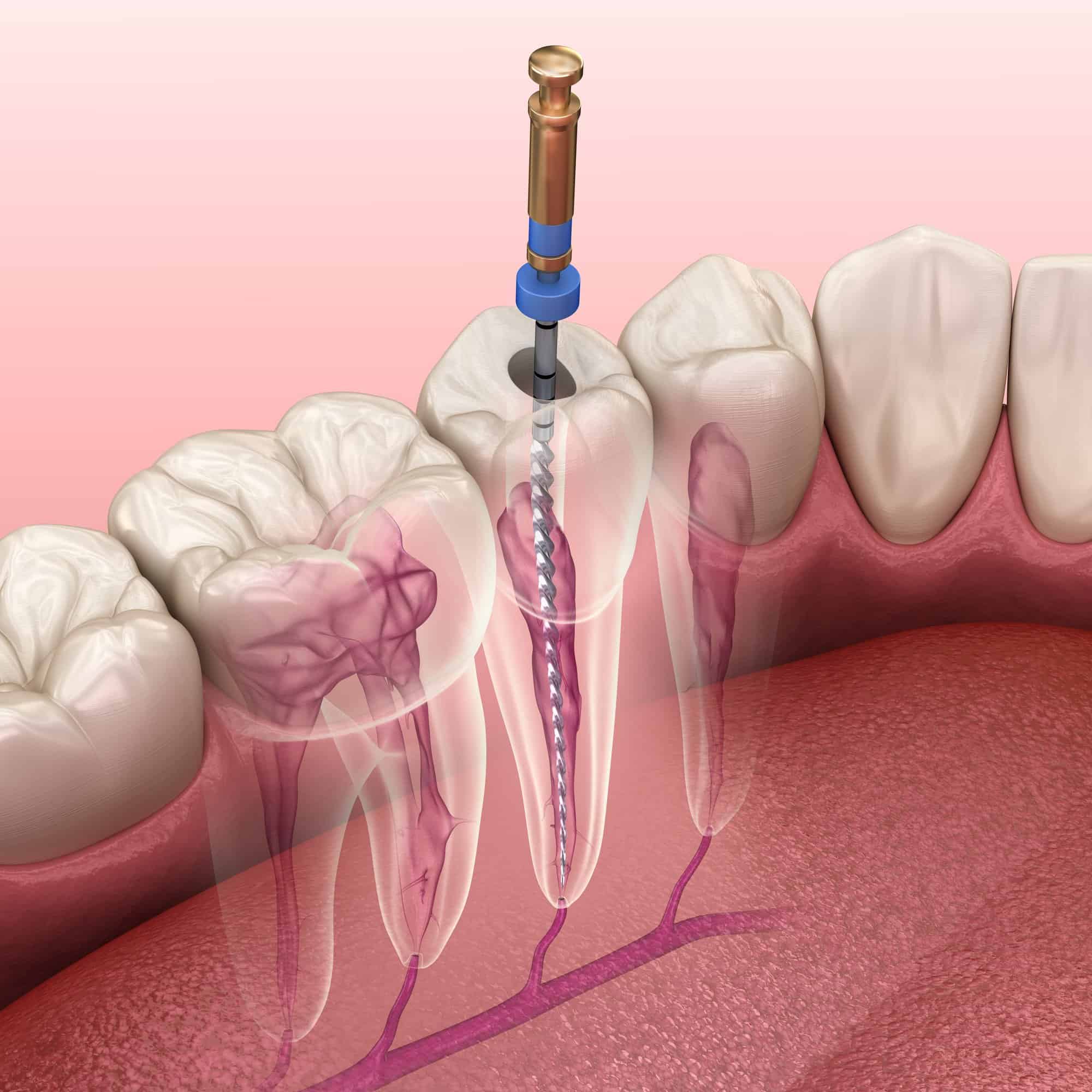
The treatment is easier than its reputation suggests. A dentist numbs the area so you stay comfortable. Then the infected tissue is removed, and the tooth is cleaned and sealed. Most root canal visits feel a lot like getting a filling.
Afterward, the tooth often needs a crown. The crown protects it and restores full strength. With good care, a treated tooth can last for years. Saving the natural tooth is almost always the goal.
Frequently Asked Questions
Is getting a root canal painful?
Modern numbing keeps the area comfortable during treatment. Most people feel very little while the work is done. Your tooth may be tender for a few days after.
Can I just wait until it starts to hurt?
It is better not to wait. A silent infection keeps spreading, even with no pain. Treating it early usually means a simpler visit.
Will antibiotics fix it instead?
Antibiotics can calm an infection for a short time. They cannot remove the infected tissue inside the tooth. A root canal or an extraction is still needed.
Catch It Early, Save the Tooth
You do not have to be in pain to need a root canal. A quiet tooth can still hide an active infection. Regular checkups catch these problems early, while they are easy to treat. A timely root canal saves your natural tooth and keeps your smile healthy. It also spares you bigger, costlier problems later on.
- If you want to learn more about when you need a root canal, visit our Root Canal in Canyon Country, CA, page or schedule a consultation.